
Heavy rain is common in New Braunfels, especially during the warmer months, and it often changes how fire ants behave around residential properties. Homeowners may notice new fire ant mounds appearing a few days after a storm or increased ant activity in areas that previously showed no signs of infestation. While rainfall does not eliminate fire ant colonies, it can cause them to relocate, rebuild, or become more visible as soil conditions change. Understanding why this happens and knowing when to schedule a professional inspection can help homeowners manage fire ant activity before it becomes more widespread, and the complete fire ant control guide for New Braunfels offers a full year-round strategy. Mayday Pest Solutions provides professional fire ant control services throughout New Braunfels, helping homeowners reduce fire ant activity through detailed inspections, customized treatment plans, and ongoing pest management.
Why Heavy Rain Changes Fire Ant Activity

Rainfall affects the underground environment where fire ants build their colonies. As the soil becomes saturated, colonies adjust to the changing conditions by relocating or rebuilding their nests in more suitable areas. This often makes fire ants easier to spot around residential properties after storms.
Understanding these changes helps homeowners recognize why post-rain inspections are an important part of long-term fire ant management.
Flooded Soil Forces Colonies to Relocate
Fire ants rely on underground tunnel systems to protect their colony. When heavy rain floods these tunnels, colonies often move toward drier ground where they can continue developing. As a result, homeowners may notice new mounds appearing in different areas of the yard after rainfall.
This movement does not necessarily mean new colonies have formed. In many cases, existing colonies have simply relocated because of changing soil conditions.
Increased Surface Activity After Rain
After a storm, fire ants often become more active above ground as they rebuild damaged mounds and search for suitable nesting areas. During this period, activity around lawns, flower beds, patios, and sidewalks may become much more noticeable than before the rain.
Although increased activity can seem alarming, it also provides an opportunity for homeowners to identify problem areas and schedule a professional inspection before colonies continue expanding.
Signs Your Property May Need Fire Ant Treatment After Rain
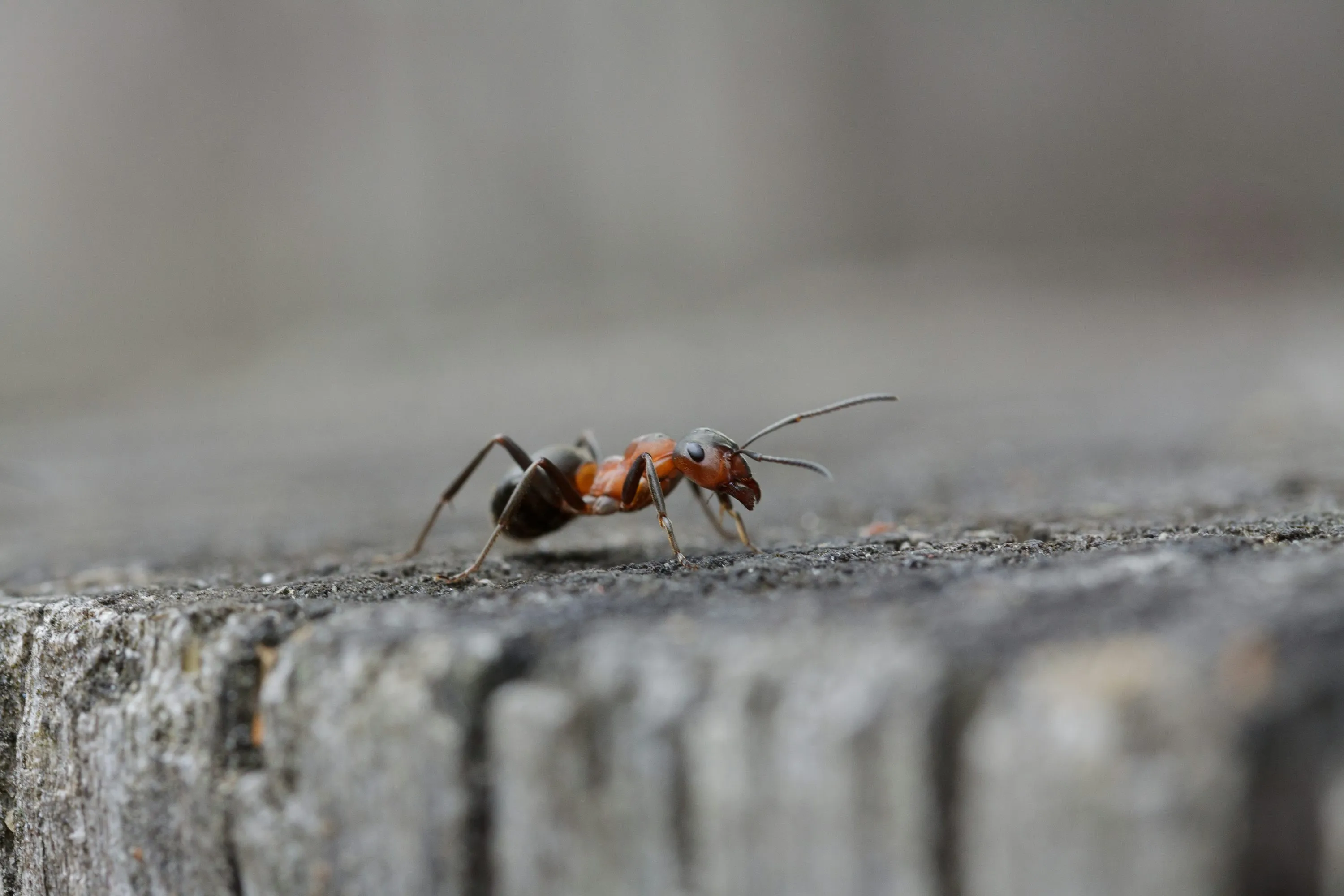
Not every fire ant mound requires immediate attention, but certain changes after heavy rain may indicate that professional treatment should be considered. Monitoring your property during the days following a storm helps identify developing infestations before they become more difficult to manage.
Paying attention to recurring activity also allows homeowners to distinguish between isolated fire ant mounds and larger property-wide issues.
Common Signs to Watch For After Heavy Rain
Fire ant activity often becomes easier to recognize after rainfall. Regular inspections allow homeowners to respond before colonies become more established.
Some common signs include:
-
New fire ant mounds appearing after heavy rain
-
Multiple mounds developing across the property
-
Increased ant activity around lawns and landscaped areas
-
Fire ants becoming more visible near patios or walkways
-
Recurring activity in areas previously affected by fire ants
Recognizing these signs early allows homeowners to arrange professional inspections before colonies continue expanding.
Why Fire Ant Activity Can Return
Many homeowners assume that heavy rain washes fire ants away, but colonies are remarkably resilient, which is also why DIY fire ant methods fail. Once soil conditions improve, they often rebuild their mounds and continue expanding throughout the property.
If fire ant activity repeatedly returns after storms, it may indicate that active colonies remain nearby. Professional inspections help identify the extent of the infestation and determine whether additional fire ant management services are needed.
Why Professional Treatment Is Important After Heavy Rain
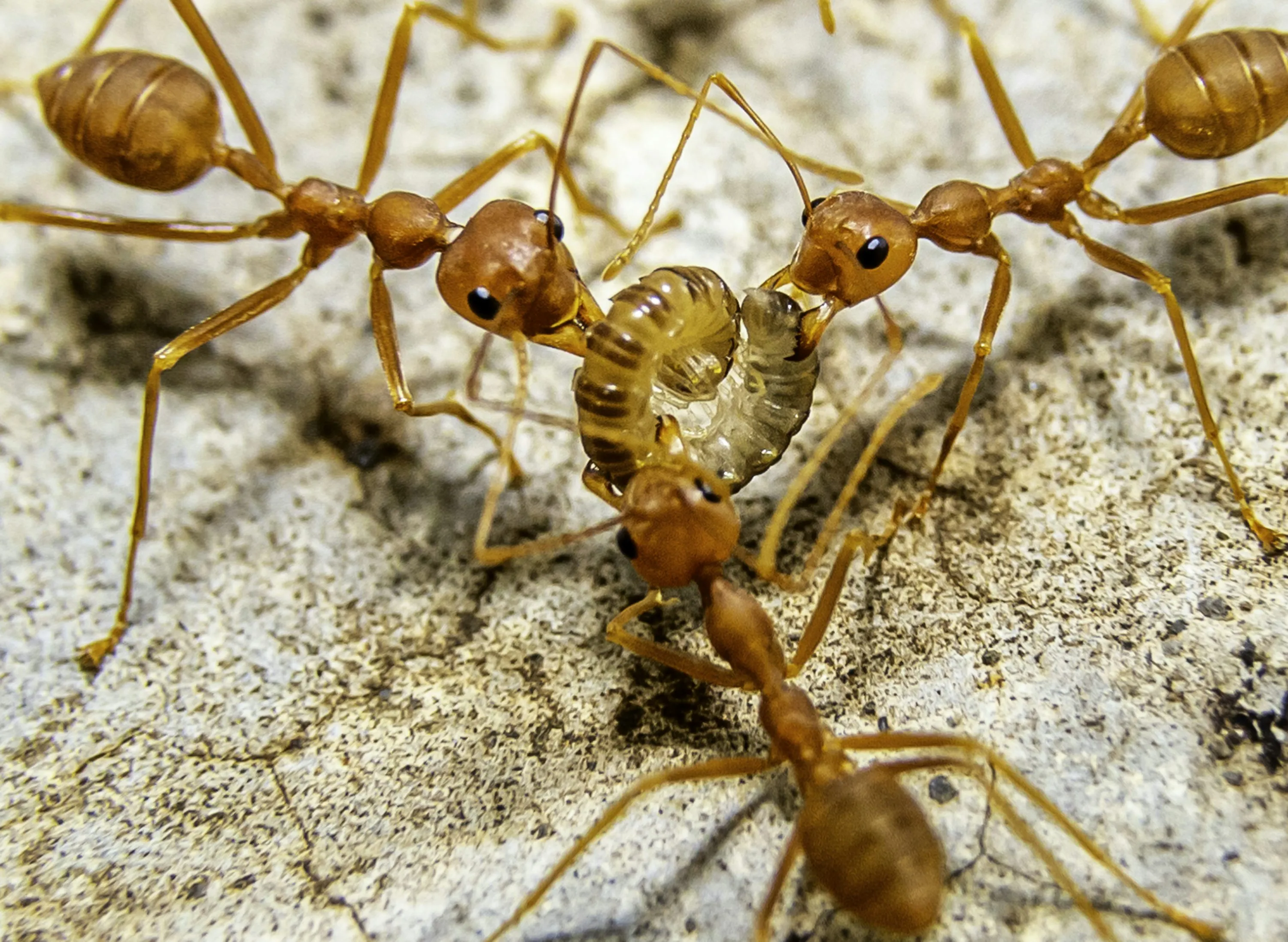
Post-rain fire ant activity often extends beyond the visible mounds found around the yard. Because much of the colony remains underground, treating only the areas where ants are seen may not address the full extent of the infestation.
Professional inspections evaluate the entire property, allowing technicians to identify active colonies and conditions that encourage recurring fire ant activity.
What Happens During a Post-Rain Inspection?
Every property responds differently after heavy rainfall. Factors such as drainage, landscaping, soil type, and outdoor living areas all influence where fire ants become active. Professional inspections are designed to evaluate these changing conditions before recommending a treatment plan.
During a professional inspection, technicians evaluate:
-
Active fire ant mounds
-
Lawn and landscape conditions
-
Areas with saturated or recently disturbed soil
-
Outdoor living spaces
-
Locations where additional colonies may be developing
This detailed assessment allows technicians to recommend customized fire ant control services based on the property’s specific conditions; here is what to expect from fire ant treatment in New Braunfels.
Why Customized Treatment Plans Matter
Fire ant activity after heavy rain is rarely the same from one property to another. Some homeowners may experience isolated mound activity, while others may have multiple colonies relocating across the yard.
A customized treatment plan focuses on the property’s overall fire ant activity rather than only the visible mounds. This comprehensive approach supports long-term fire ant management and helps reduce recurring activity after future storms.
When to Schedule Fire Ant Treatment After Heavy Rain

The days following heavy rainfall are an important time to evaluate your property for signs of fire ant activity. Because colonies may relocate or rebuild after storms, waiting too long to inspect your yard can allow activity to spread into additional areas.
A professional evaluation after significant rainfall helps determine whether visible fire ant mounds are isolated or part of a larger infestation that requires attention.
Why Early Treatment Helps Manage Recurring Activity
Fire ants often become more noticeable after rain because changing soil conditions encourage colonies to rebuild their mounds or move to higher ground. Addressing activity soon after it is discovered helps homeowners understand the extent of the infestation before colonies continue expanding across the property, and comparing the best fire ant treatment methods helps you act quickly.
Scheduling a professional inspection early also allows technicians to evaluate how recent weather conditions have affected the property and recommend a treatment plan based on its specific needs.
What Homeowners Should Monitor After a Storm
Even after visible mounds have been identified, homeowners should continue monitoring their property as the ground dries. Fire ant activity may change over several days, particularly in areas where water collected or landscaping was recently disturbed.
Watching for recurring activity after heavy rain provides valuable information during a professional inspection and helps technicians identify developing colonies that may not have been immediately visible after the storm.
Why Homeowners Choose Mayday Pest Solutions

Managing fire ant activity after heavy rain requires more than responding to newly visible mounds. Professional service focuses on evaluating the entire property, identifying active colonies, and recommending treatment plans that address current conditions as well as future seasonal activity.
Mayday Pest Solutions proudly provides professional fire ant control services throughout New Braunfels, Seguin, and South Texas. Our team performs detailed property inspections, develops customized treatment plans, and provides ongoing monitoring to help homeowners manage seasonal fire ant activity more effectively.
Treatment Plans Built Around Your Property
No two properties respond to heavy rain in exactly the same way. Soil conditions, drainage, landscaping, and outdoor living areas all influence where fire ants relocate after storms.
Professional inspections allow technicians to evaluate these factors before recommending services tailored to the property’s unique conditions. This customized approach supports long-term fire ant management instead of simply addressing visible mound activity.
Local Experience With Seasonal Fire Ant Activity
Our team understands how changing weather patterns affect fire ant activity throughout New Braunfels and surrounding South Texas communities. Local experience allows us to recognize common post-rain activity patterns and recommend services that fit each property’s environment.
By combining detailed inspections, customized treatment plans, and ongoing monitoring, Mayday Pest Solutions helps homeowners reduce recurring fire ant activity and maintain safer, more enjoyable outdoor spaces throughout the year.
Frequently Asked Questions
Why do I see more fire ant mounds after heavy rain?
Heavy rain can cause fire ant colonies to relocate or rebuild as soil conditions change. This often makes colonies more visible in different areas of the property.
Does heavy rain eliminate fire ant colonies?
No. Fire ant colonies often survive heavy rainfall and may become more active once the ground begins to dry.
When should I schedule fire ant treatment after a storm?
If you notice new fire ant mounds, increased ant activity, or recurring infestations after heavy rain, scheduling a professional inspection can help determine whether treatment is needed.
Can fire ants return after professional treatment?
New colonies may develop over time as weather and environmental conditions change. Routine inspections and ongoing professional services help identify new activity early and support long-term fire ant management.
How often should my property be inspected for fire ants?
Inspection frequency depends on the property’s conditions and previous fire ant activity. Many homeowners benefit from inspections after periods of heavy rainfall and during peak fire ant season.
Conclusion
Heavy rain can significantly change where fire ants become active, making post-storm inspections an important part of protecting your property. Recognizing new mound activity, understanding why colonies relocate, and scheduling professional treatment when needed can help prevent recurring infestations and support long-term fire ant management.
If you’ve noticed increased fire ant activity after heavy rain, Mayday Pest Solutions is here to help. We provide professional fire ant control services throughout New Braunfels, Seguin, and South Texas, offering detailed inspections, customized treatment plans, and ongoing support through our general pest control services. Contact Mayday Pest Solutions today to schedule a professional fire ant inspection.
Need pest control near you?
Mayday Pest Solutions is a family-owned, licensed pest control company (TDA #686973) serving homes and businesses across the San Antonio area. Find your city:
Seguin · Cibolo · Schertz · New Braunfels · San Marcos · Kyle · Canyon Lake · Bulverde · San Antonio
Call (210) 314-3643 or contact us for a free quote.

